



Nemesia
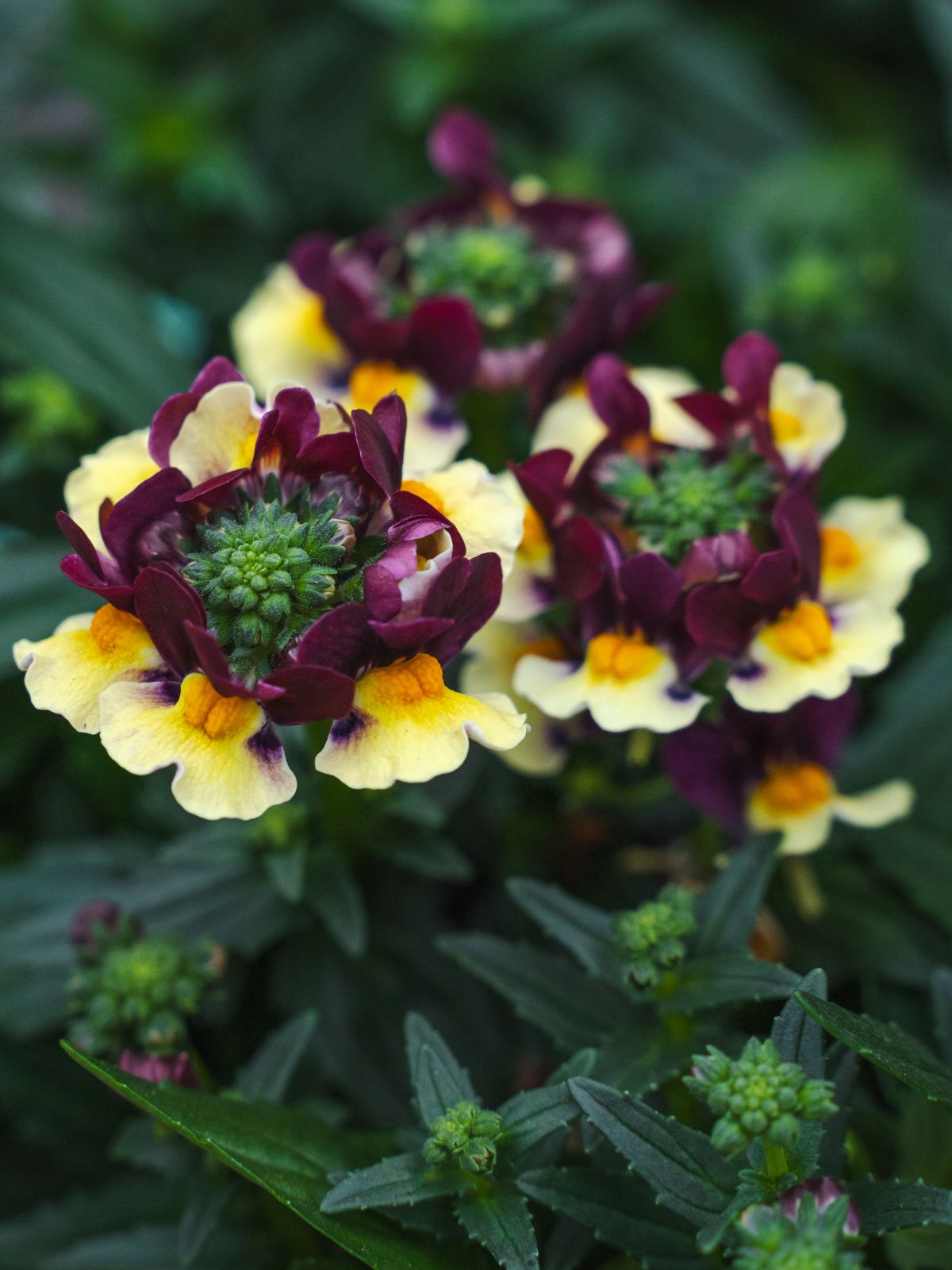
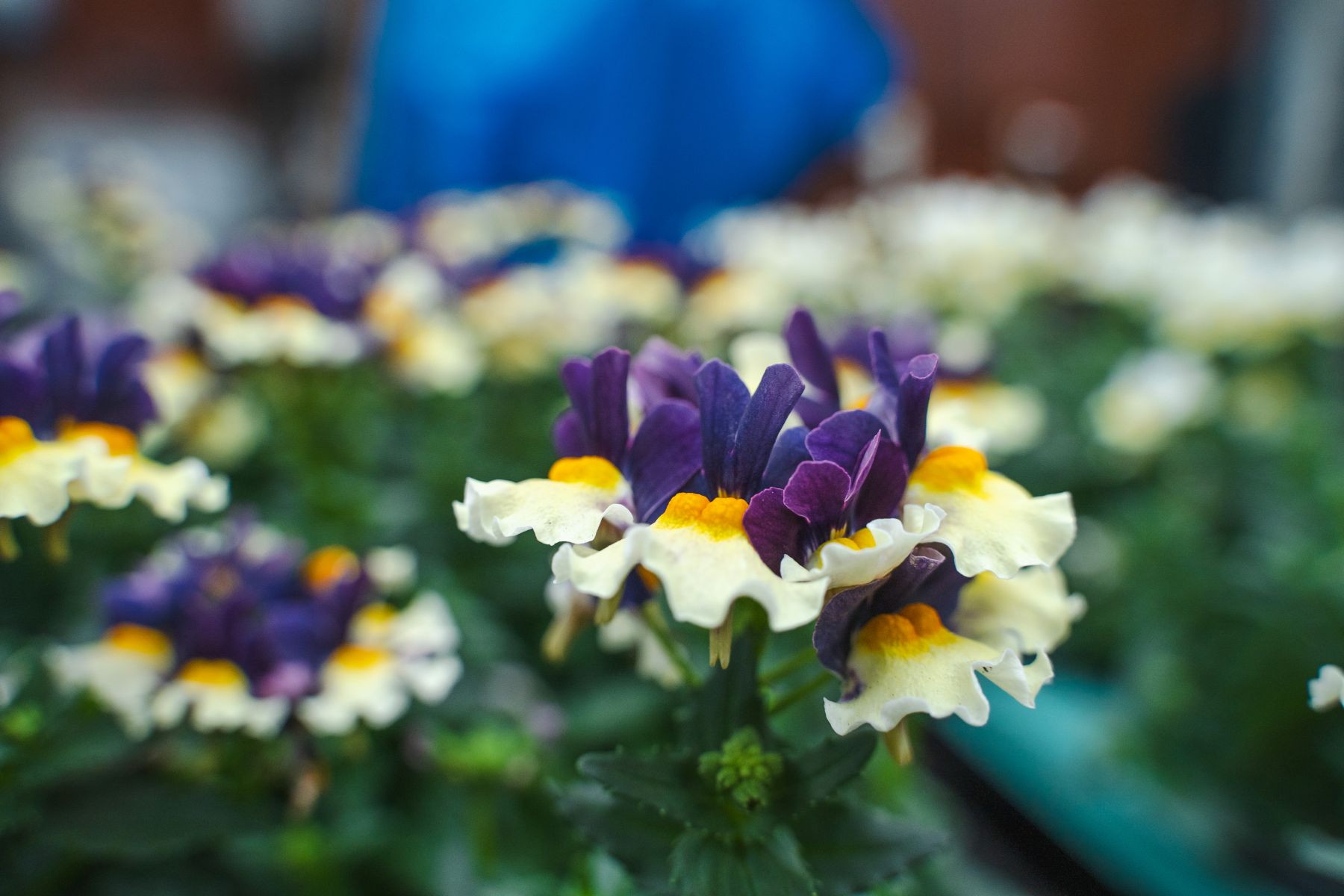
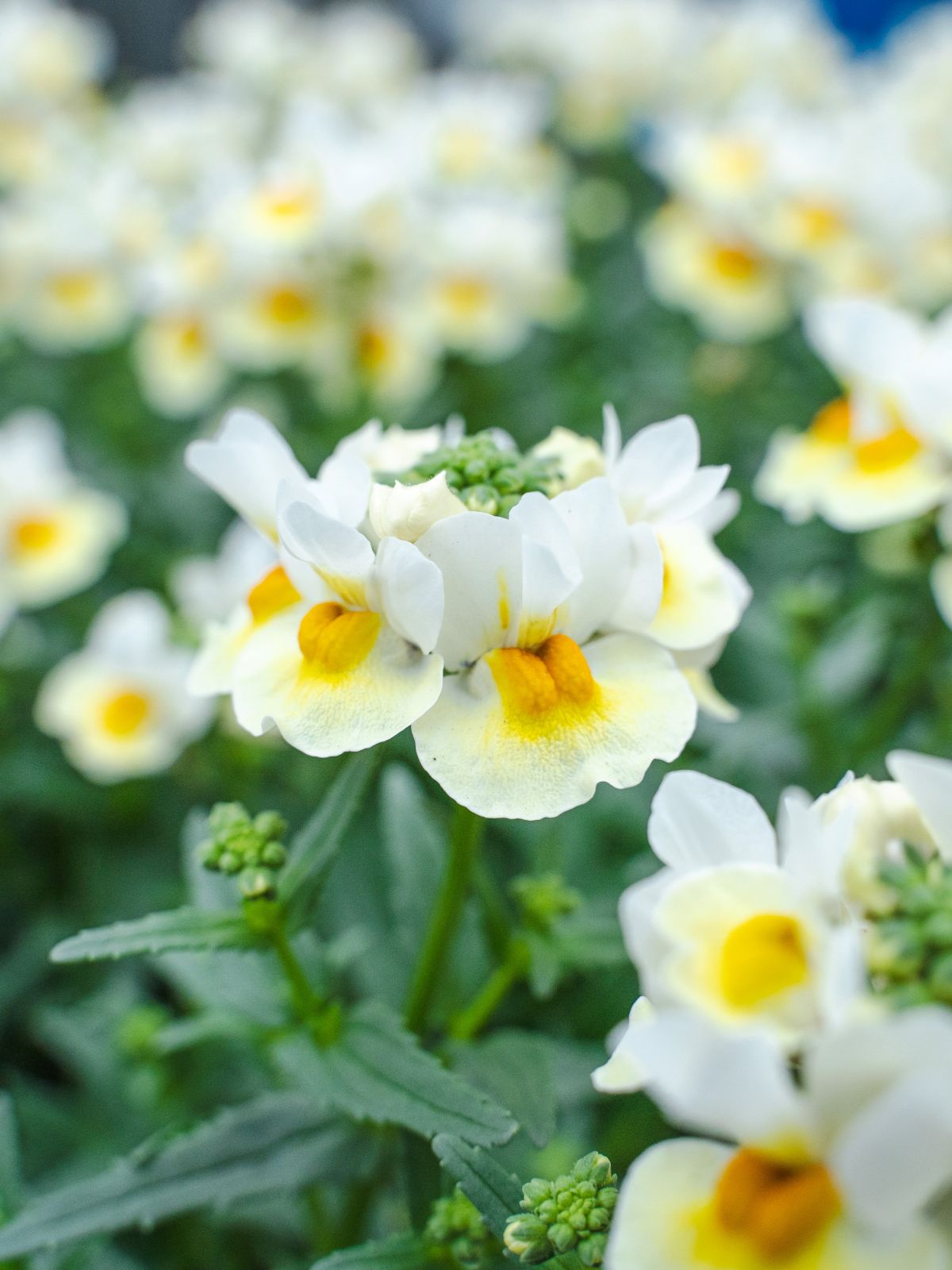
Colorful little flowers blooming closely together give Nemesia a lively appearance, as if a soft carpet of color is forming in your garden or pot. This plant, grown by Hofland Flowering Plants, is often chosen when you want to enjoy a richly flowering summer plant for a long time in beautiful color combinations such as blue and cream, white and orange, yellow, white and lemon.
The Nemesia plant grows compactly and forms a full sea of flowers that are attractive to bees and other insects. Depending on the variety, flowering can begin early in the season and continue well into summer.
Whether you choose a spot in the open ground or a pot on the terrace, Nemesia can be used in many ways and instantly brings liveliness to your outdoor space.
Did you know…
Nemesia originally comes from South Africa and is therefore well adapted to sunny conditions?
Nemesia care
Would you like to know how to care for Nemesia and how to keep Nemesia flowering? Then pay attention to the following points:
- Water regularly, especially during warm weather
- Place the plant in a sunny location
- Remove faded flowers to stimulate new blooms
- Use plant food during the flowering period
- Suitable for both open ground and pots
Nemesia care tips
Nemesia needs regular watering, especially during warm and dry periods. The soil may remain slightly moist, but overly wet soil is tolerated less well. In pots, the soil dries out faster, which means watering is needed more often.
Does Nemesia prefer sun or shade?
Nemesia grows best in a sunny location. A spot in full sun ensures richer flowering. Light partial shade is tolerated, but it may affect the number of flowers.
Can a Nemesia be planted in the ground?
Nemesia can be planted both in open ground and in pots. In open ground, well-draining soil ensures that the plant develops properly. Nemesia also grows well in pots, provided excess water can drain away.
During the flowering period, Nemesia benefits from extra nutrition. This supports longer and richer flowering. Regular feeding (once a month) helps the plant continue producing new flowers.
Is a Nemesia poisonous?
No, a Nemesia is not poisonous to people, dogs, cats, or other animals. Nemesia is therefore a safe choice to bring into your home.
Should you prune a Nemesia?
You can prune Nemesia in summer after it has finished flowering. This may encourage the plant to flower again.
Nemesia flowers abundantly with small flowers growing closely together. Flowering can begin in spring and continue into summer, depending on the variety, conditions, and care.
How do you keep Nemesia flowering?
By regularly removing faded flowers, you stimulate the development of new buds. This extends the flowering period and keeps the plant compact and fresh.
It is unknown whether Nemesia has air-purifying properties.
If you notice that the leaves of your Nemesia are becoming soft or discolored, it is good to immediately investigate what is happening. Fungi and pests often develop unnoticed, but they quickly leave clear traces on the leaves.
Common diseases and pests:
-
Leaf rot (Botrytis / grey mold)
Brown, wet spots spread quickly across the leaf, especially when the air remains stagnant. Poor ventilation and high humidity give this fungus free rein. -
Powdery mildew
A dull white haze settles like a thin layer over the leaf. This often develops with dry air combined with a humid environment around the plant. -
Rust
Small orange or brown spots appear on the underside of the leaf and can slowly spread. As a result, the leaf loses its fresh appearance. -
Aphids
Young shoots attract these small insects. You often see leaf deformation or a sticky layer left behind.
Treatment and approach
If you see signs of root rot, carefully remove the plant from the pot and cut away affected roots. Fresh, airy potting soil gives the roots room to recover again.
For powdery mildew or leaf rot, it helps to remove affected leaves immediately. Sometimes a biological control product is a good addition, especially if the infestation spreads.