
Phlebodium
Do you have a Blue Star Fern at home and want to know everything about caring for this beautiful fern? Our grower Chris has specialized in cultivating Phlebodium since 1984 and can tell you all about it! On this page you will find his tips for the best Blue Star Fern care! In short:
- Keep the soil slightly moist
- Mist regularly
- Avoid direct sunlight
- Use little fertilizer
About the Blue Star Fern
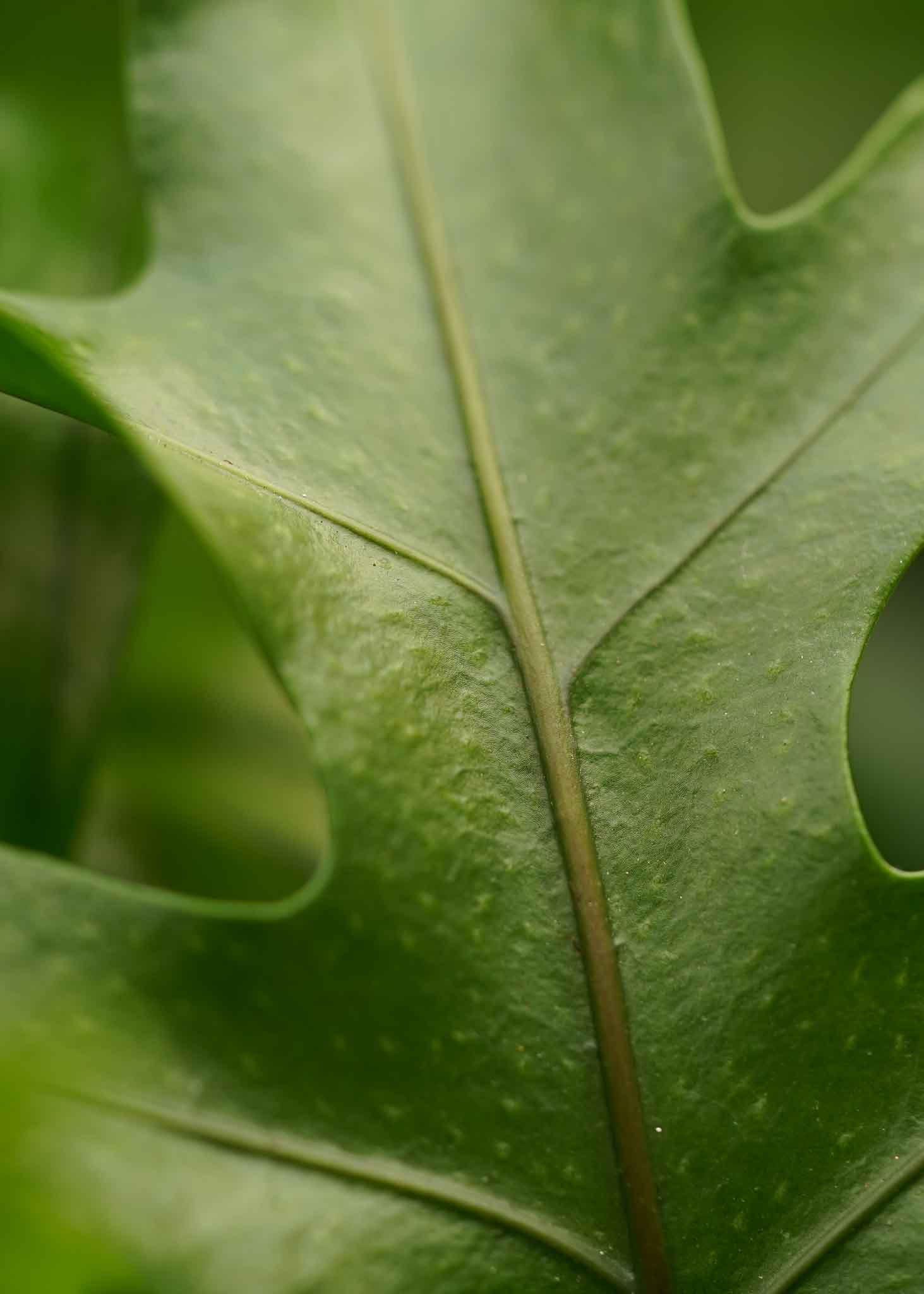
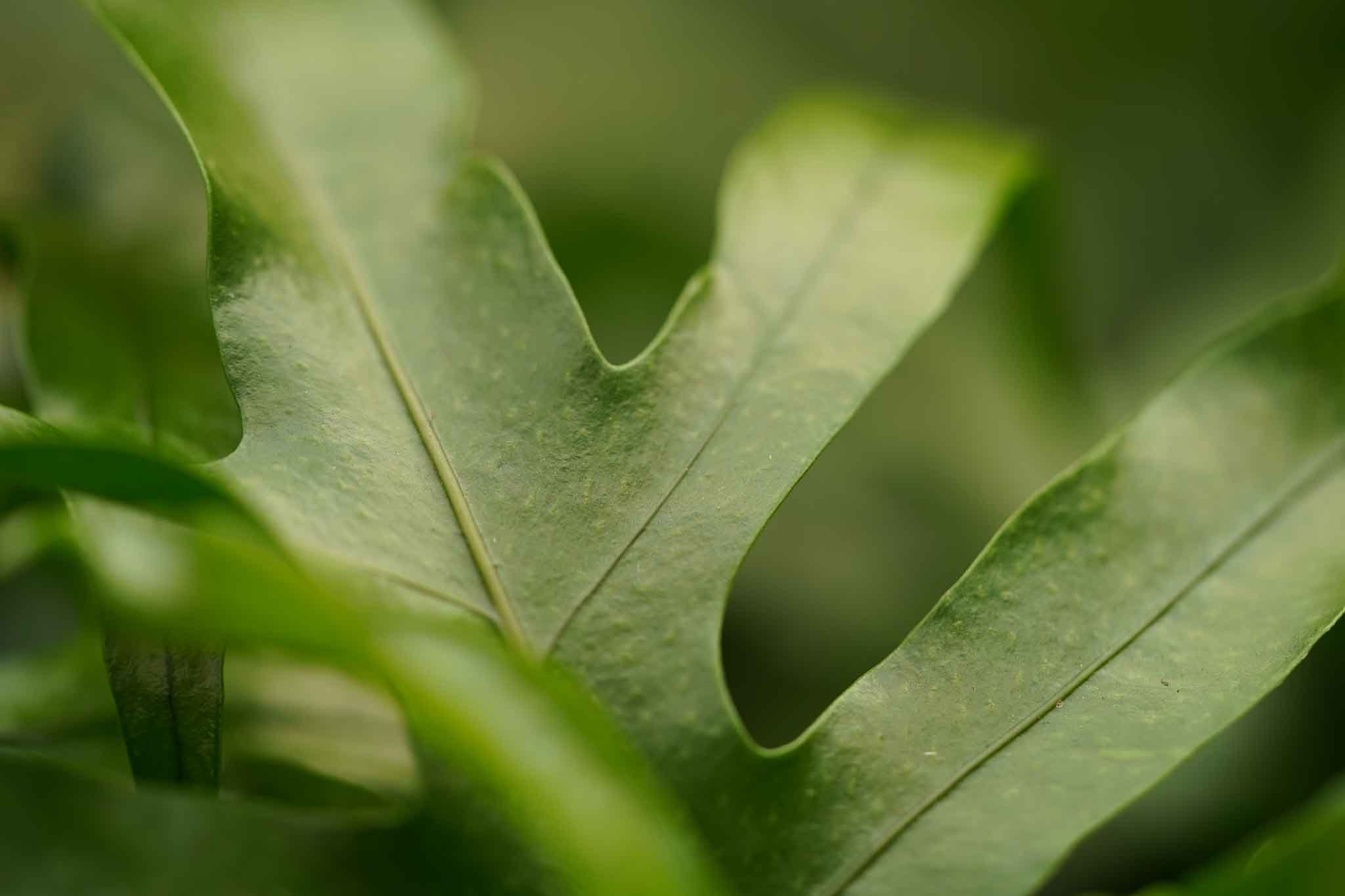
The Blue Star Fern is the Dutch name for Phlebodium and is sometimes also called Zinc Fern. It is one of the popular ferns and is purchased as a hanging plant or as a plant to place on a surface. Our grower Chris from Hillplant grows the Phlebodium Aureum, which is supplied in a hanging pot with a removable hook, so you can also place the plant down. The leaves of the Phlebodium Aureum are light green and slightly wavy. The Blue Star Fern is an easy houseplant and perfect for plant lovers without a green thumb!
Tip: Chris has also written down general care tips for ferns. Read all his tips for fern care here.
Did you know…
The Blue Star Fern is an epiphyte? This means that in nature, Phlebodium grows in treetops and does not get its energy from the soil, but from other trees and from the air. “Keep the soil slightly moist”
Blue Star Fern care
Watering the Blue Star Fern
- Keep the soil slightly moist
- Avoid a layer of water at the bottom
- Water via a saucer (except when hanging)
- For hanging plants: water along the side of the pot
When watering your Blue Star Fern, it is important that the soil always remains slightly moist, but that no layer of water remains at the bottom of the pot, as this can cause root rot. You can check this by feeling the potting soil with your finger twice a week to see whether it is still moist or already drying out.
Water your Zinc Fern along the side of the pot and never in the heart of the plant. If you water your Phlebodium over the roots (which grow above the soil), the leaves will fall off and the center will become bare.
Tip from Chris: you can also reduce the risk of root rot by choosing a pot with a drainage hole. If you place the pot on a saucer, you can water from below and avoid overwatering.
The amount of water and how often you should water your Blue Star Fern depends on pot size, temperature, and light intensity. The larger the pot, the higher the temperature, and the more light, the more water the Phlebodium uses. There is no fixed amount, but you can follow these guidelines for a Blue Star Fern in pot size 17:
Watering in summer
- Twice a week
- 100 ml per time
Blauwvaren water geven in de winter
- Once a week
- 100 ml per time
Always check yourself whether your Blue Star Fern needs water again by feeling the potting soil.
Supertip from Chris: ferns do not like lime. For the best Blue Star Fern care, it is best to use rainwater. Decalcified tap water also works well, for example by boiling the water first and letting it cool. Give the water at room temperature and your Blue Star Fern and you will become great friends!
Best location for the Phlebodium
- Lots of light, no direct sunlight
- Avoid drafts
The Blue Star Fern naturally grows in jungles and tropical regions, making it a true tropical houseplant. Because Phlebodium is an epiphyte and grows high in tree branches, it is used to plenty of light, but not to direct sunlight. Keep this in mind at home and do not place it directly in the sun in front of a south-facing window. So what is the best location for the Blue Star Fern? → A spot in partial shade suits it best!
Did you know…
The Blue Star Fern is one of the larger ferns? In the jungle, this popular houseplant can grow up to one meter tall! In our cooler climate, however, this will not happen quickly, as the conditions are not the same.
Temperature
The Blue Star Fern is used to tropical temperatures in nature, so this South American gem can handle warmer conditions well. The Zinc Fern mainly has a minimum temperature requirement, which is 15 ℃ during the day. A cool attic room where the heating is turned off in winter is therefore less suitable.
Humidity
It may not come as a surprise that the Zinc Fern is used to a humid environment in the tropics. In the Netherlands, especially in winter, the conditions are less ideal for the Phlebodium. Heating dries out the air, which negatively affects the plant’s appearance. This becomes even worse if the Blue Star Fern is placed directly next to or above a radiator. Fortunately, this is easy to solve in two ways.
- Mist the Blue Star Fern with a plant sprayer. Note: rainwater or other lime-free water is best. In winter you can do this daily, and in summer twice a week is sufficient.
- Place a container of water on the radiator. The heat will cause the water to evaporate, increasing the overall humidity in the room. This only works when the heating is on.
Repotting the Blue Star Fern
You can repot your Blue Star Fern when the Phlebodium becomes too large for its pot. The best time to repot is in spring, as the Zinc Fern then enters its growing season and has more energy to recover.
Usually, repotting once every three years is sufficient, but you can do it earlier if there are no longer enough nutrients in the soil. If this happens, your Phlebodium will show it by developing yellow leaves. You can then give plant food, but you may also repot the Blue Star Fern using fresh potting soil, which contains new nutrients.
It is important that the roots (called rhizomes) are never covered with soil, as they always grow above ground. The rhizomes have golden-brown scales.
Feeding the Phlebodium
Phlebodium does not require much feeding, as it is not a fast grower. Only provide plant food when the leaves turn yellow; otherwise, feeding is generally not necessary. You can prevent yellow leaves by feeding during the growing season, up to once a month. Use regular houseplant fertilizer and never exceed the recommended amount on the packaging.
Is the Blue Star Fern toxic?
Nope! The Blue Star Fern is not toxic. Some houseplants are toxic and can cause allergic or irritating reactions if ingested. Phlebodium is 100% safe and non-toxic for cats, dogs, and other animals. It is also non-toxic for children, but always consult a doctor if symptoms occur.
Pruning the Blue Star Fern
The Blue Star Fern is a green houseplant and will not produce flowers. Unlike most other houseplants, Phlebodium does not produce flowers in nature either.
Ferns do not produce flowers. They reproduce through small spores that appear in clusters on the underside of the leaves. When these spores are ready to spread and grow into new ferns, they fall to settle in a new place. But do not worry if you have a fern at home, you will not suddenly have ferns growing everywhere, as the conditions are not suitable.
Is the Blue Star Fern air-purifying?
Yes! The Blue Star Fern has excellent air-purifying qualities and is a great air-purifying houseplant. Because of this property, Phlebodium is also very popular as a bedroom plant.
Diseases and pests in Phlebodium
Ferns are strong plants. They rarely suffer from problems and are quite resilient. The only thing they do not like is drafts, which can cause spider mites, an annoying pest.
Spider mites
Spider mites suck sap from the leaves. You can recognize them by webbing on the leaves and yellow spots. The best way to control spider mites is biologically, using beneficial insects such as predatory mites. It is also advisable to identify the cause so you can prevent spider mites in the future. Daily misting can help, as spider mites do not like high humidity.
Characteristics of the Blue Star Fern
Is your Blue Star Fern not performing as expected? That can happen. Every plant has its own unique needs, so care is not always straightforward. Below are the most common visible symptoms:
Yellow leaves
Yellow leaves on your Blue Star Fern indicate a lack of nutrients in the soil. Add some plant food and wait a month before feeding again. You can also repot your Phlebodium and add fresh potting soil, which contains new nutrients the Zinc Fern can use.
Important: only feed during the growing season. Feeding outside this period can harm your Blue Star Fern and may even cause the plant to die.
Brown leaves
Brown leaves on your Blue Star Fern can have several causes:
- Air too dry
- Draft
- Soil too wet
- Too much fertilizer
- Fungi
- Water that is too cold
These are many possible causes. Try to determine what might be the issue. If you cannot figure it out, you can send us an email with photos and a description of your Blue Star Fern. We will ask our grower Chris to take a look!
Leaf drop
Leaf drop does not occur very quickly in the Blue Star Fern, but when it does, it can be frustrating. After all, you do not want your Zinc Fern to lose its beautiful leaves. Fortunately, in most cases there is nothing serious going on, as leaf drop in a Blue Star Fern is usually caused by aging.