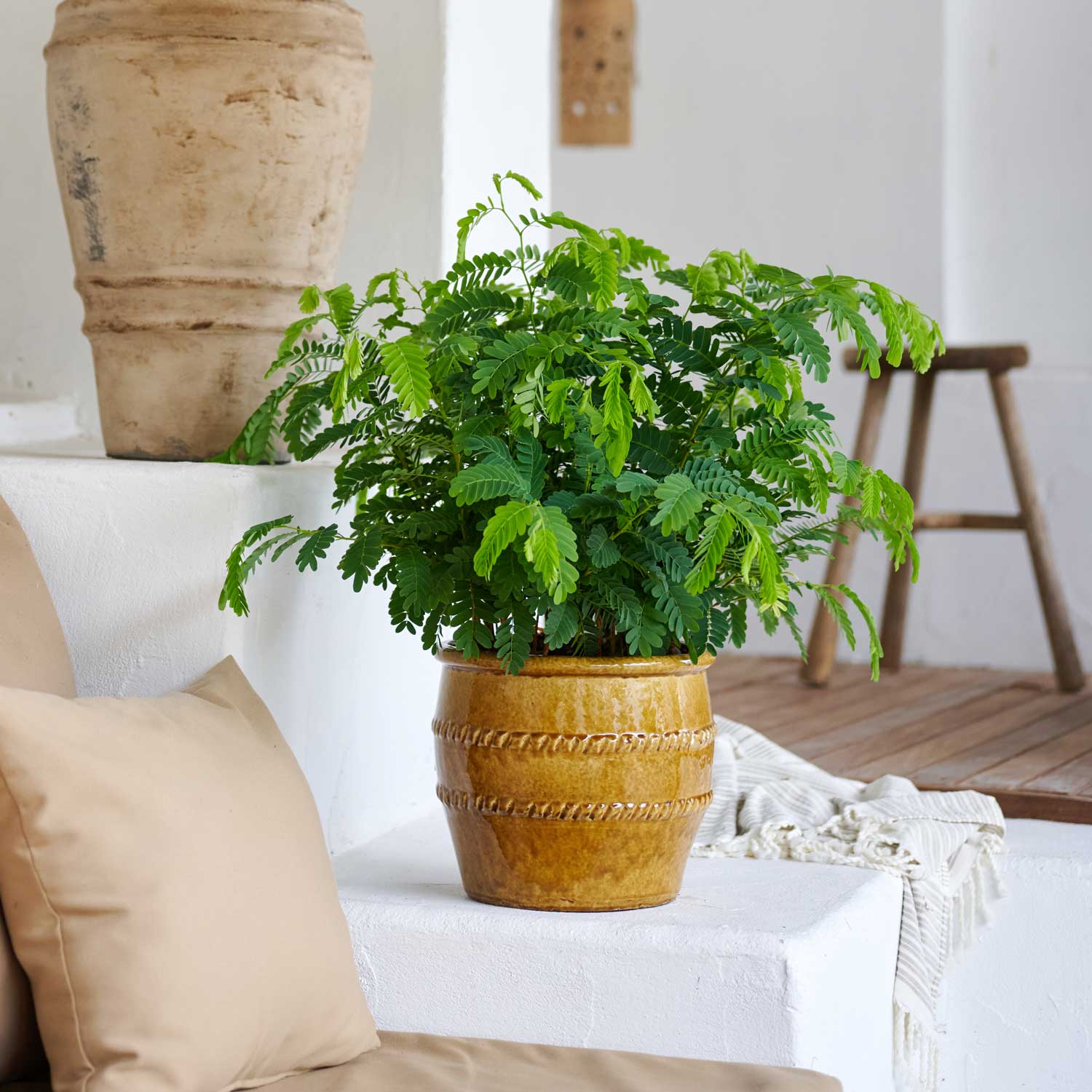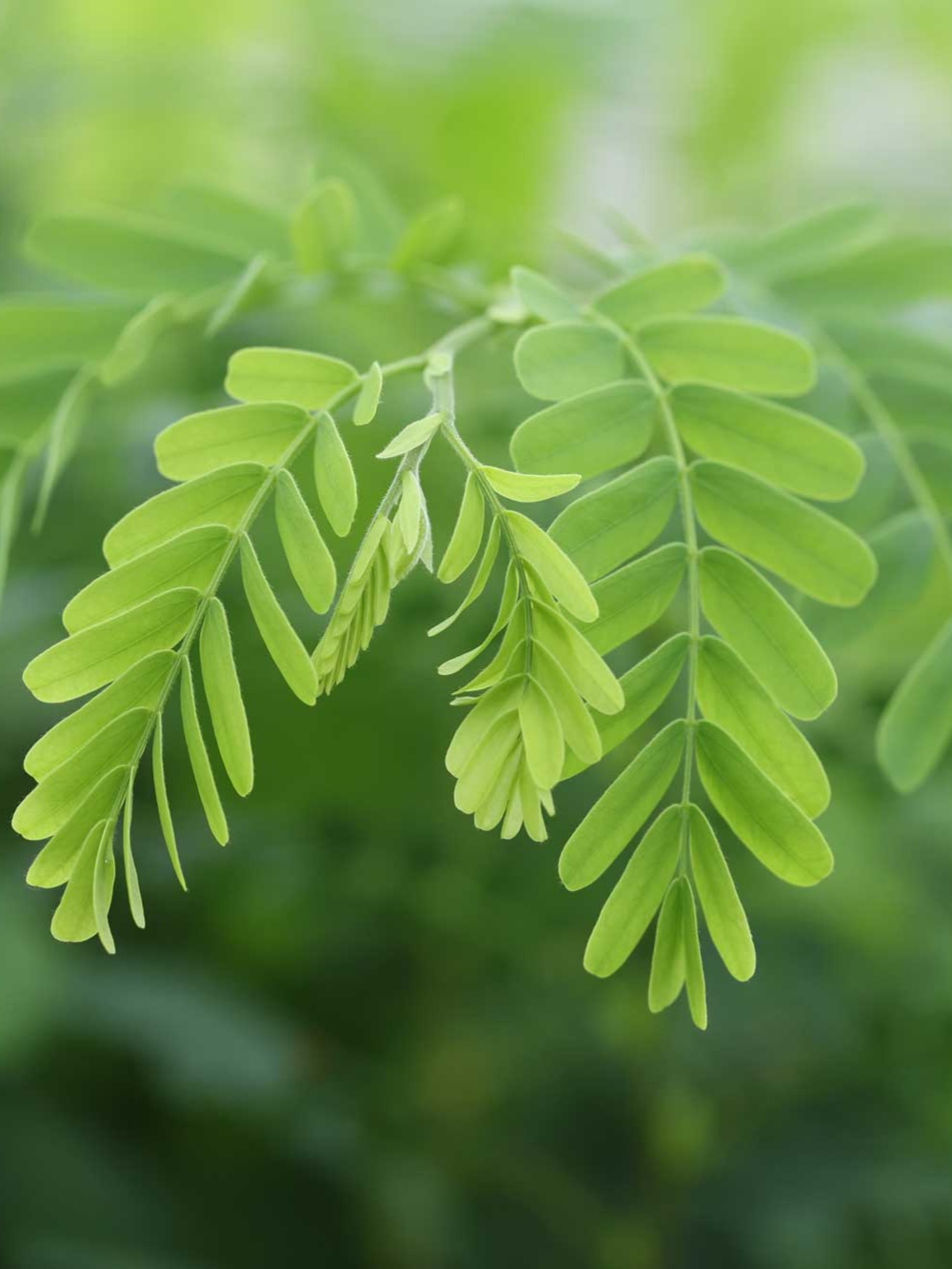

Tamarind plant (Tamarindus Indica)
The Tamarind plant is a distinctive houseplant with a tropical appearance and finely feathered leaves. This species originally comes from tropical East Africa and has spread from there to warm regions such as India and Southeast Asia. In its natural habitat, Tamarindus Indica grows into an impressive tree that can reach more than twenty meters in height. As a houseplant, it fortunately remains much smaller. Indoors, it can grow up to 2 meters tall. Thanks to its refined leaf structure and calm growth, this plant fits well in bright living spaces. This tamarind plant is cultivated by Ten Have Plant as a houseplant and appeals to lovers of unique evergreen species.
Did you know..
Tamarind syrup is extracted from the pulp of the Tamarind plant and is used in soft drinks and sauces such as Worcestershire sauce. In addition, tamarind plays an important role in Asian and Caribbean cuisine, where the fruit is valued for its fresh, slightly sour taste.
Tamarindus Indica care
With its finely feathered leaves and tropical appearance, the Tamarindus Indica is a real eye-catcher in your living room! It is also a plant that is easy to care for. How? You can read all about it here! In short:
- Place it in a bright spot with plenty of daylight. Avoid direct sunlight.
- Keep the soil slightly moist, the potting soil should not dry out
- During the growing season (spring and summer), feed once a month
Tamarind plant care tips
Tamarind plant watering
The tamarind plant prefers slightly moist potting soil, but does not tolerate excessive watering. Regularly check the top layer of the soil and water when it feels dry.
What is the best position for a Tamarindus Indica?
The Tamarindus Indica prefers a bright location with plenty of daylight. A spot near a south- or west-facing window is suitable, as long as direct intense sunlight is avoided.
Tamarind plant repotting
Repot the tamarind plant when the current pot becomes too small. Preferably choose a pot that is slightly larger than the previous one, so the plant has enough space to continue developing.
Nutrition for the Tamarind plant
During the growing period in spring and summer, feed the Tamarindus Indica once a month with plant nutrition suitable for tropical plants.
Is the tamarind plant toxic?
It is not known whether the Tamarindus Indica is toxic to humans or pets. Nevertheless, we advise placing the plant in a location where children and pets cannot reach it.
Should a Tamarindus Indica be pruned?
The tamarind plant can be pruned when you feel it is becoming too large. By trimming the branches, the plant will remain at your desired size.
Will my tamarind plant also produce fruit?
In warm, natural conditions, the Tamarindus Indica can flower and produce fruit. Indoors, this rarely occurs with houseplants, as the conditions are usually insufficient.
Characteristics of the Tamarindus Indica
Is your Tamarind plant not performing as expected? That can happen. Every plant has its own unique needs, so care is not always straightforward. We have listed the most frequently asked questions for you below:
The leaves of my Tamarind are turning yellow
If the leaves of your Tamarind plant turn yellow, it is most likely receiving too much or too little water. First check whether the soil feels moist or dry. Does the soil feel dry? Water your Tamarind immediately. Is the soil very moist? Then you have probably overwatered it. Only water again once the soil feels dry.
Another possibility is that the plant has received too little nutrition. Apply plant nutrition immediately.
The leaves of the Tamarind plant are closing
The Tamarind plant has the unique characteristic of moving along with the rhythm of the day. In the morning, as everything awakens, it opens its leaves. In the evening, as everything settles down, the leaves close again. This is completely normal and makes the plant unique.
If the leaves of your Tamarind remain closed during the day, check whether it is in the right location. A spot that is too dark may be the reason the leaves stay closed.